 By Admin
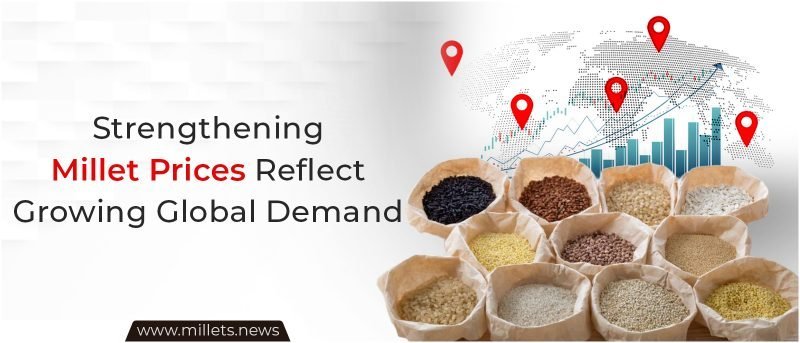
Geopolitical instability in West Asia and concerns about an uncertain monsoon season could encourage a stronger shift toward millet cultivation in India during 2026. Increasing production costs, fertilizer dependency, pest infestations, and climate-related risks are prompting many farmers to reconsider traditional crops that require high water and chemical inputs.
Millets are becoming a preferred alternative because they are drought-resistant, require comparatively less irrigation, and can grow successfully with lower fertilizer and pesticide usage. Their adaptability to challenging climatic conditions makes them suitable for regions facing irregular rainfall and declining water availability. In addition, the shorter cultivation cycle of millet crops provides farmers with greater flexibility and opportunities for multiple harvests within a year.
Possible disruptions in global fertilizer supplies due to international conflicts may further influence agricultural decisions in India. Since crops such as rice and maize depend heavily on chemical fertilizers, farmers may increasingly favor resilient crops like millets and pulses that are less input-intensive and more cost-effective.
Concerns surrounding weaker monsoon conditions and the possibility of reduced rainfall linked to changing climate patterns have also highlighted the importance of sustainable and climate-smart agriculture. In this scenario, millets are gaining recognition as an important crop for ensuring food security, stabilizing farm incomes, and supporting environmentally sustainable farming practices.
As awareness of nutrition, sustainability, and agricultural resilience continues to grow, millets are expected to play a more significant role in India’s farming and food systems in the coming years.