 By Admin
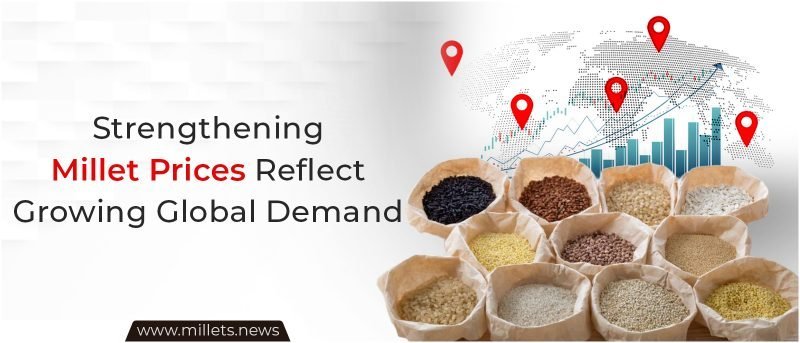
The global millet market is expected to witness substantial growth over the next decade, fueled by a rising shift toward healthier eating habits and sustainable food systems. With increasing awareness about nutrition and wellness, consumers are gradually moving away from refined grains and embracing traditional, nutrient-dense alternatives like millets.
Millets are gaining recognition for their impressive nutritional profile. Rich in dietary fiber, essential minerals, and antioxidants, they are particularly beneficial for managing lifestyle-related conditions such as diabetes, obesity, and cardiovascular issues. Their naturally gluten-free nature further adds to their appeal among health-conscious individuals.
Sustainability is another major factor driving the demand for millets. These crops require minimal water, adapt well to harsh climatic conditions, and can grow in less fertile soils. As concerns over climate change and resource conservation intensify, millets are emerging as a practical solution for both farmers and policymakers.
The food industry is also contributing to this growth by introducing a wide range of millet-based products. From ready-to-cook mixes and snacks to breakfast cereals and flours, innovation is making millets more accessible and convenient for modern consumers, especially in urban markets.
Supportive government initiatives and promotional campaigns are further encouraging millet cultivation and consumption. However, challenges such as limited processing infrastructure, supply chain gaps, and the need for greater consumer awareness still need to be addressed to ensure sustained growth.
Overall, the increasing popularity of millets reflects a broader transformation in global food preferences—one that prioritizes health, sustainability, and long-term food security.