 By Admin
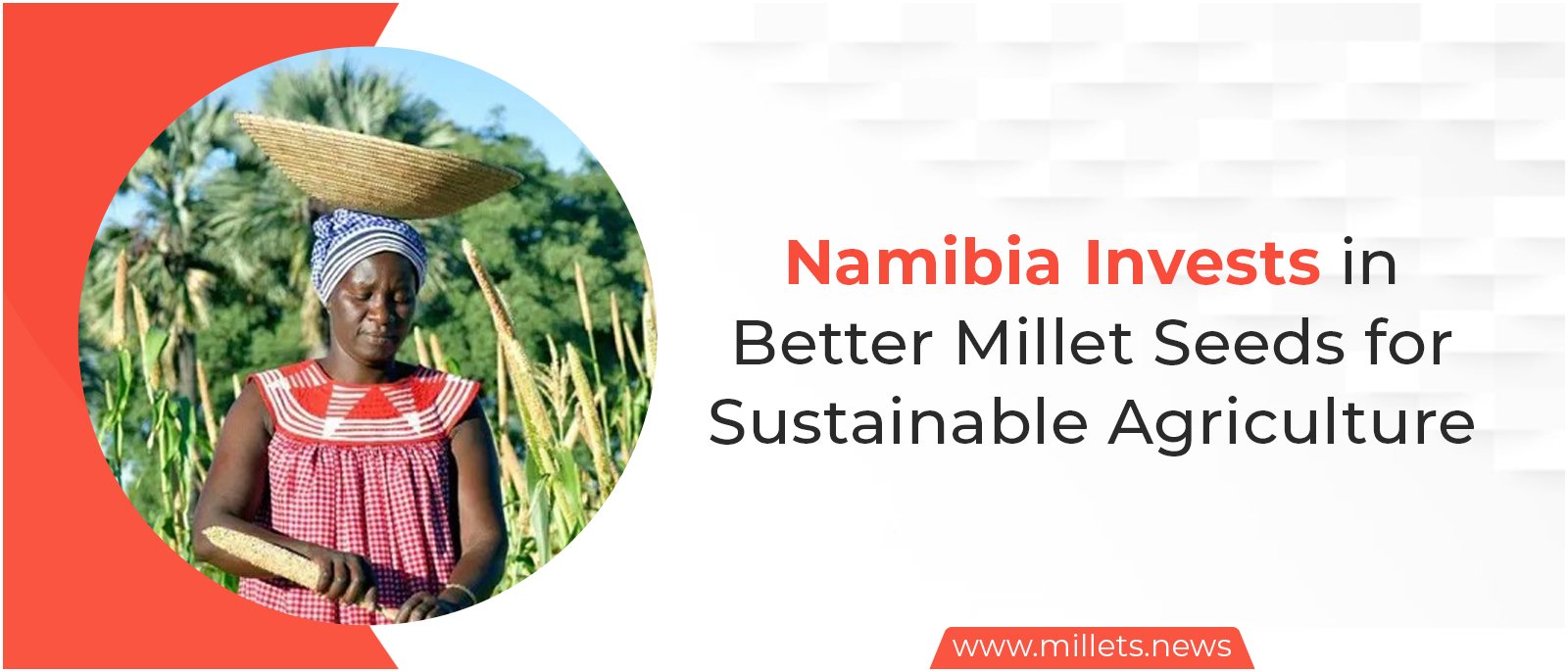
Namibia is taking important steps to secure its agricultural future by testing improved mahangu (pearl millet) seed varieties designed to perform better under changing climate conditions. Agricultural researchers and scientists are focusing on developing drought-resistant and high-yielding seeds that can withstand low rainfall and harsh environmental conditions common across the country.
The initiative aims to strengthen food security and support farmers who rely heavily on mahangu as a staple crop. In many parts of Namibia, especially the northern regions, pearl millet plays a vital role in daily nutrition and rural livelihoods. However, farmers have faced recurring challenges such as poor seed quality, inconsistent harvests, and increasing climate-related risks.
To address these concerns, agricultural institutions and research organisations are conducting field trials to identify seed varieties best suited for Namibia’s different agro-climatic zones. The programme also seeks to improve access to certified seeds and encourage the adoption of better farming practices that can increase productivity and resilience.
Mahangu is increasingly recognised as a climate-smart crop because it requires relatively little water, tolerates drought conditions, and can survive in soils where many other cereals struggle to grow. As climate variability continues to affect agriculture across southern Africa, the crop is gaining renewed importance as a sustainable solution for food production.
The development of improved millet varieties is expected to enhance yields, strengthen local seed systems, and reduce dependence on imported seed supplies. In the long term, the initiative could also create new opportunities for value addition, agro-processing, and commercial millet farming, contributing to rural economic growth and agricultural sustainability in Namibia.