 By Admin
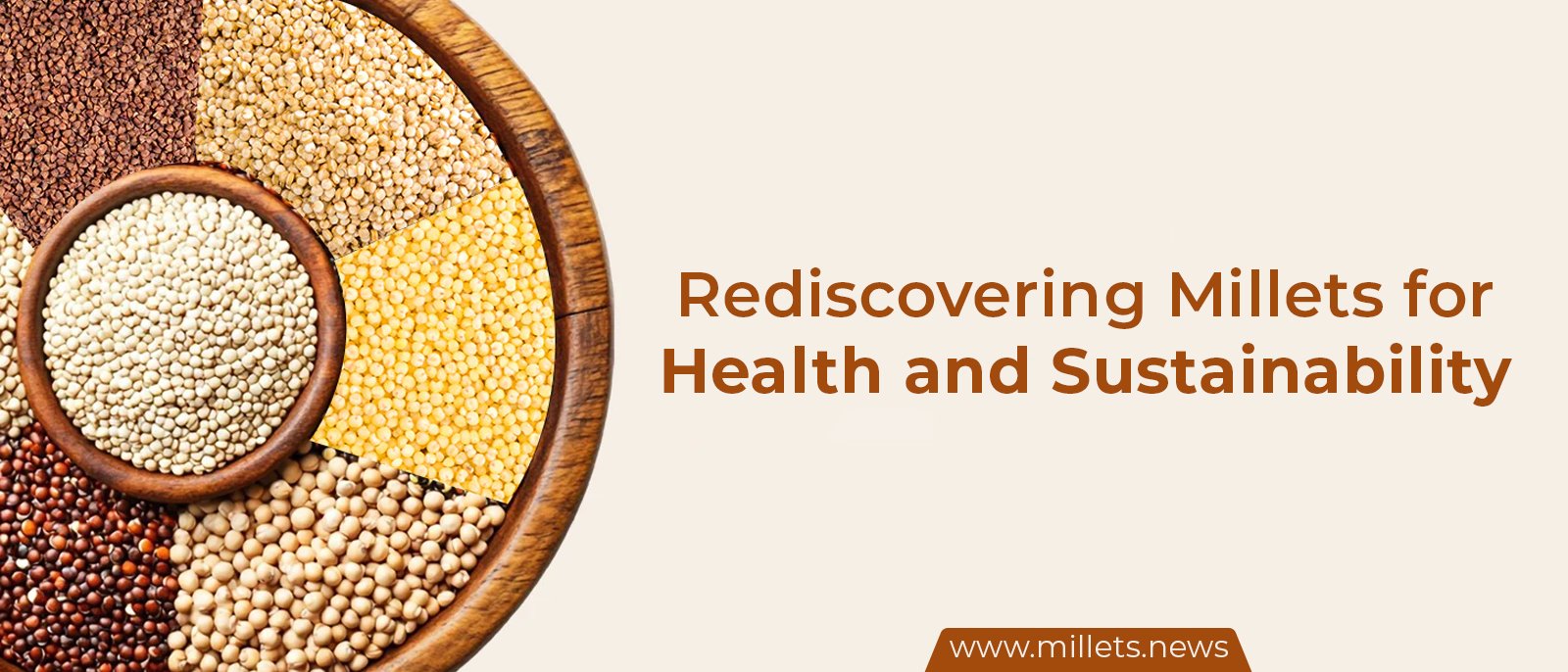
Millets may be receiving renewed attention through health campaigns and government initiatives, but they are still absent from the daily meals of many Indian households. Once a staple in traditional diets, grains such as jowar, bajra, and ragi gradually lost popularity as rice and wheat became more widely available through changing food habits and agricultural policies. Over time, millets were pushed to the margins despite their rich nutritional value.
Today, growing awareness about healthy eating and sustainable farming is bringing millets back into focus. Rich in fibre, protein, iron, and essential minerals, millets are considered beneficial for improving nutrition and managing lifestyle-related diseases. They are also climate-resilient crops that require less water and fewer inputs, making them ideal for drought-prone and environmentally stressed regions.
However, challenges such as limited availability, higher prices, lack of processing infrastructure, and low consumer familiarity continue to restrict widespread adoption. Experts believe that stronger policy support, inclusion in public food programmes, and greater awareness can help restore millets to everyday diets. Promoting millet consumption can strengthen nutrition security, support sustainable agriculture, and improve livelihoods for small farmers.