 By Admin
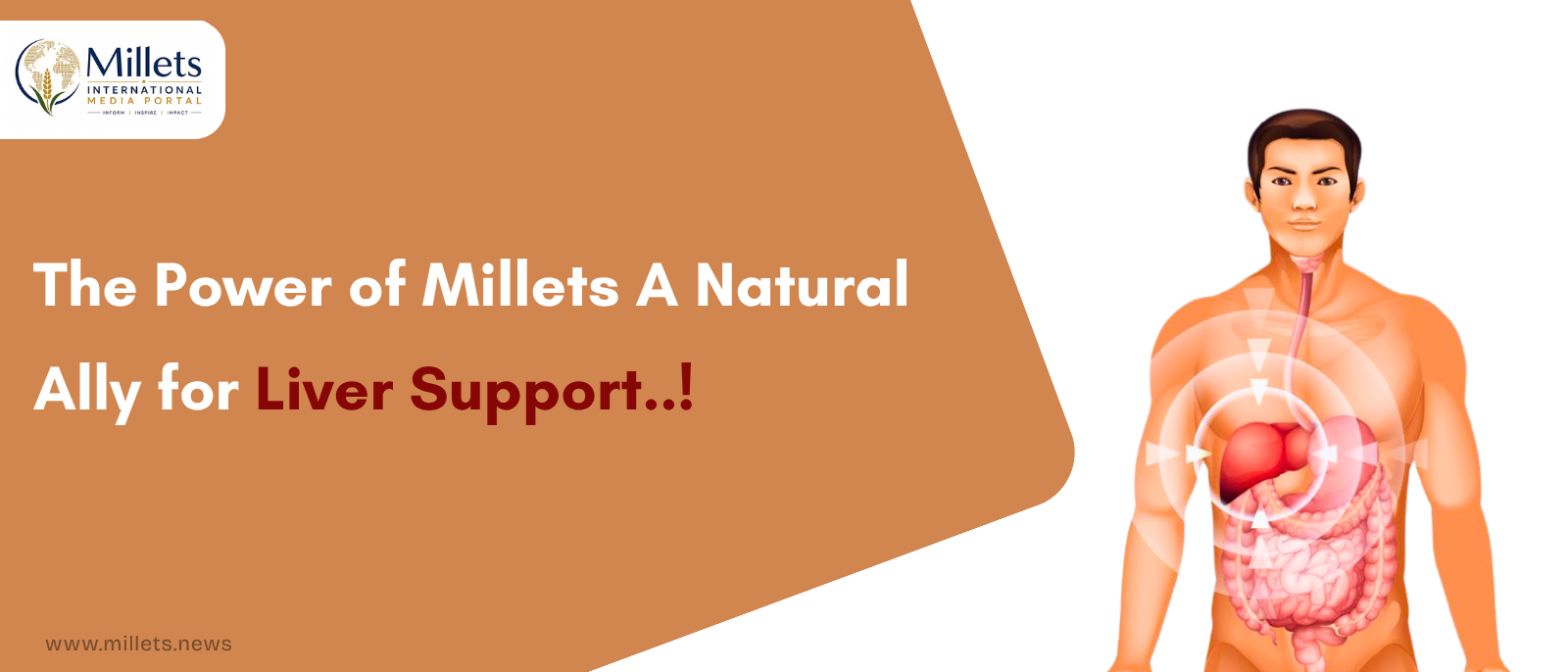
- Low Glycemic Index Millets release sugar slowly into the bloodstream, helping control blood sugar and insulin levels—both of which are key in managing fatty liver.
- High in Dietary Fiber The fiber in millets helps regulate digestion and supports healthy gut bacteria. A healthy gut is crucial for reducing liver inflammation and fat accumulation.
- Rich in Antioxidants Millets contain polyphenols and antioxidants that help reduce oxidative stress on the liver, which plays a role in reversing liver damage.
- Aid in Weight Loss Millets are filling and low in calories, making them excellent for weight management—one of the most effective ways to treat fatty liver naturally.
- Anti-inflammatory Properties Chronic inflammation contributes to liver damage. Millets help lower inflammation levels in the body due to their nutrient composition.
How to Add Millets to Your Diet
Rotate different types of millets throughout the week for variety and balanced nutrition.
A Word of Caution
While millets are healthy, moderation is key. Excess consumption without balancing other food groups may lead to nutritional imbalances. Always consult a healthcare provider or dietitian before making major dietary changes, especially if you have other health conditions.
Conclusion: Small Grains, Big Benefits
Millets offer a natural, affordable, and sustainable solution to managing and potentially reversing fatty liver disease. By making these humble grains a regular part of your diet, you’re not only nourishing your liver but also supporting a healthier, more resilient body.
Embrace millets—not just as a food, but as a step toward better health.