 Millets National Media Portal
Millets National Media Portal
Millets National Media Portal
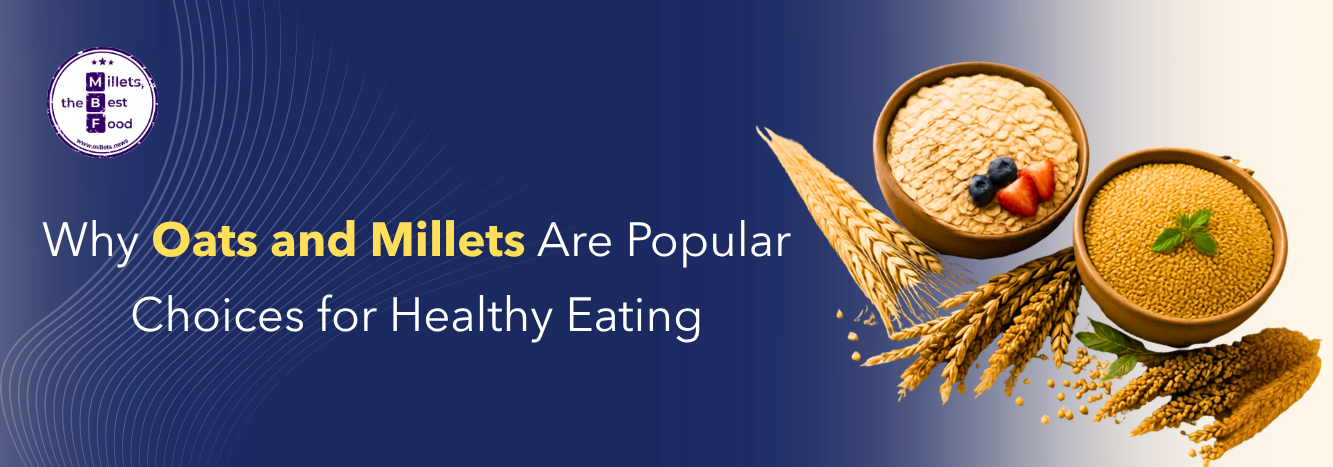
Oatmeal and millet are both considered healthy whole-grain options, but they offer different nutritional advantages depending on dietary needs and lifestyle choices. Oats are especially known for supporting heart health because they contain beta-glucan, a type of soluble fibre that may help reduce cholesterol levels, improve digestion, and support balanced blood sugar levels. Millet, meanwhile, is valued for its rich mineral content, antioxidants, and complex carbohydrates that provide steady energy and prolonged fullness.
Both grains are naturally gluten-free and contain important nutrients such as fibre, magnesium, phosphorus, and iron. Oats generally provide higher amounts of soluble fibre, while millets are often richer in certain vitamins, antioxidants, and slowly digestible starches. Popular millet varieties such as foxtail, finger millet, little millet, and kodo millet are increasingly being included in modern diets as nutritious alternatives to refined grains.
Taste and cooking versatility also influence consumer preference. Oatmeal is known for its soft texture and mild flavour, making it suitable for porridges, smoothies, and baked foods. Millet has a slightly nutty flavour and can be prepared in several ways, including porridge, upma, pulao, dosa, and baked snacks. Many nutrition-conscious consumers now combine both grains in their meals to enjoy variety and balanced nutrition.
Health experts suggest that the choice between oatmeal and millet depends on individual health goals and dietary requirements. While oats are commonly preferred for heart health and cholesterol management, millets are gaining attention for their role in blood sugar balance, digestive health, and sustainable agriculture. Including a mix of whole grains in daily meals can help support overall health and long-term wellness.
© 2023 - 2026 Millets News. All rights reserved.

