 Millets National Media Portal
Millets National Media Portal
Millets National Media Portal
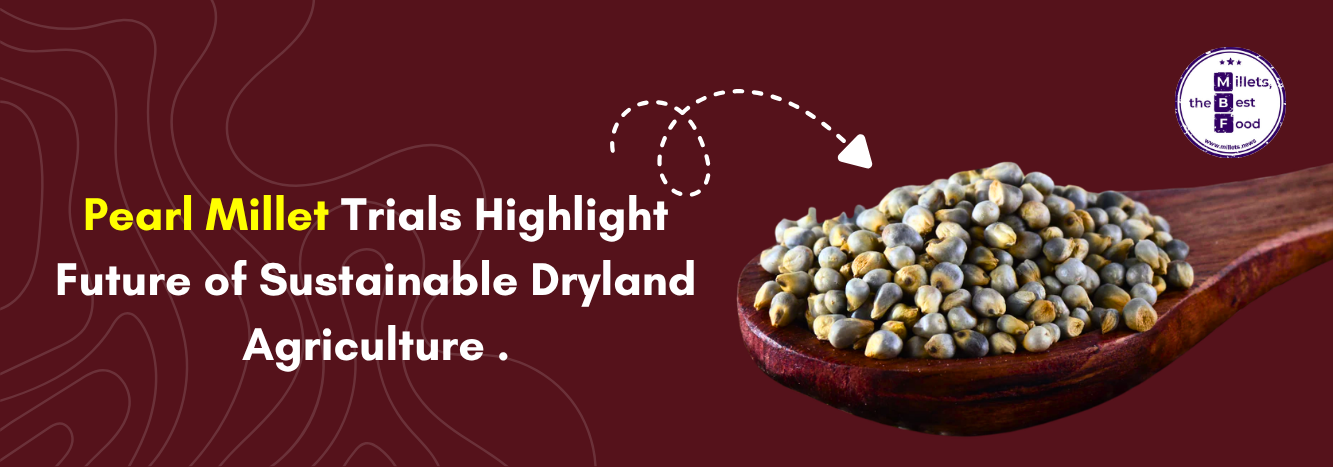
Pearl millet is gaining renewed attention as a climate-resilient crop capable of transforming agriculture in drought-prone regions. In Kenya’s Kiboko region, researchers and farmers are witnessing encouraging results from newly developed hybrid pearl millet varieties designed to withstand harsh weather conditions, limited rainfall, and rising temperatures.
The improved hybrids are being evaluated for their ability to deliver higher yields, early maturity, and better adaptability to dryland farming systems. Scientists involved in the trials say these varieties can mature within a shorter growing period, making them suitable for areas frequently affected by unpredictable rainfall and climate stress. Their dual-purpose benefits as both food grain and livestock fodder further increase their value for farming communities.
Local farmers have shown strong interest in the crop, viewing pearl millet as a dependable alternative to traditional cereals that often struggle under drought conditions. The crop’s resilience, combined with its nutritional value and lower water requirements, positions it as an important solution for improving food security and supporting rural livelihoods in arid and semi-arid regions.
Researchers and agricultural organizations are also focusing on strengthening seed availability, promoting farmer awareness, and improving processing technologies to encourage wider adoption. Experts believe pearl millet could play a significant role in building sustainable agricultural systems and helping vulnerable regions adapt to climate change in the years ahead.
© 2023 - 2026 Millets News. All rights reserved.

