 Millets National Media Portal
Millets National Media Portal
Millets National Media Portal
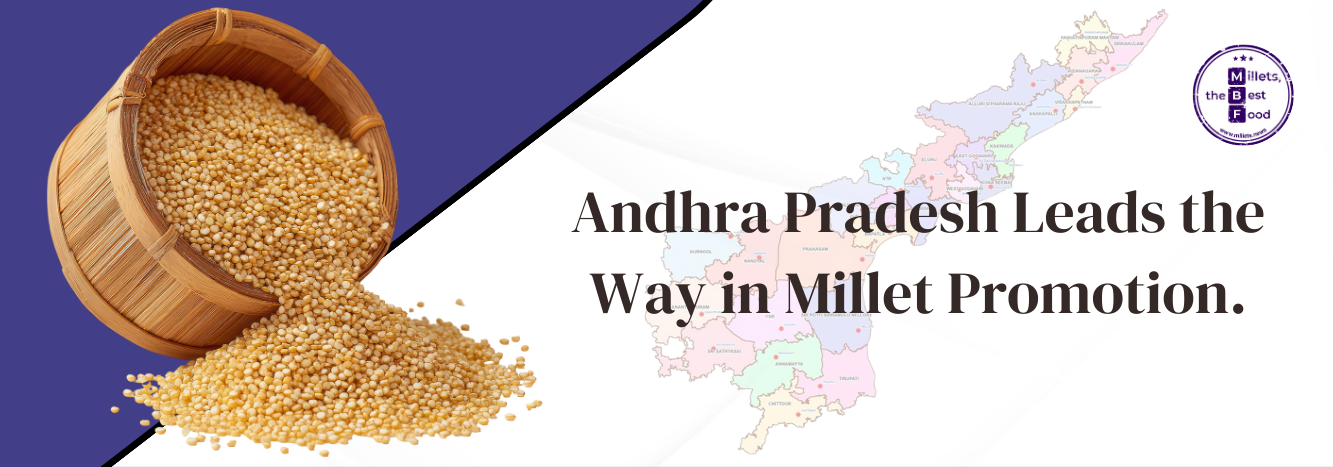
The recent district-level training programme on millet production held in Vijayawada underscores the growing emphasis on promoting millets as a crucial agricultural and nutritional resource in Andhra Pradesh. Organized under the National Food Security and Nutrition Mission, the initiative brought together agricultural officials, field-level assistants, and expert resource persons to strengthen millet production knowledge and practices across the region. The programme, conducted at the Andhra Pradesh State Integrated Water Resources Management and Farmers Training Centre, reflects a strategic effort to enhance awareness about millet cultivation among stakeholders and reinforce the state’s commitment to sustainable farming.
During the event, NTR District Agriculture Officer DMF Vijaya Kumari presided over discussions that highlighted the significance of millets in modern agriculture. The experts present, including scientists and specialists from the Agricultural Research Station and the Krishi Vigyan Kendra in Garikapadu, delivered detailed insights into millet production techniques. Their guidance focused on best practices for cultivating millets, which have historically served as staple crops in many Indian communities and are now recognized for their resilience and adaptability to challenging climatic conditions.
A key point emphasized by the speakers was the water-efficient nature of millets, which makes them particularly suitable for dryland and drought-prone areas. Millets require significantly less irrigation compared to traditional cereal crops, offering a sustainable alternative as farmers adapt to changing weather patterns. Their inherent resilience to adverse environmental stressors positions them as vital crops in the context of climate change and resource-constrained agriculture.
In addition to their environmental advantages, millets are celebrated for their nutritional benefits. They are rich in dietary fiber, quality protein, and essential minerals, attributes that support nutritional security and public health. The discussions also covered integrated millet management practices designed to improve productivity and promote long-term sustainability, encouraging participants to adopt methodologies that can lead to stronger field-level implementation of millet initiatives.
Officials from the Agriculture Department, including key figures such as the In-charge Project Director of ATMA and the District Training Coordinator, actively participated and shared insights on enhancing district-wide outreach. The programme’s focus on both practical cultivation knowledge and nutritional awareness illustrates a comprehensive approach to millet promotion. As millets gain renewed attention for their agronomic and health merits, initiatives like this training are instrumental in equipping agricultural workers with the skills and motivation needed to bolster millet cultivation and consumption throughout Andhra Pradesh.
© 2023 - 2026 Millets News. All rights reserved.

