 Millets National Media Portal
Millets National Media Portal
Millets National Media Portal
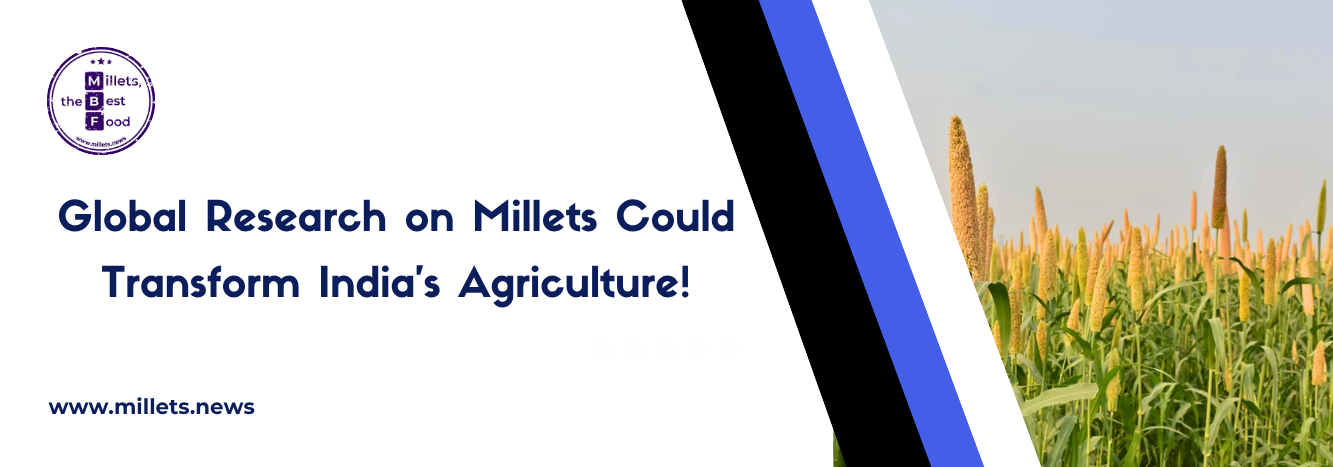
The University of Hyderabad is now part of an important international research project that may influence the future of agriculture in India.
This global study focuses on wild varieties of crops, including millets, to understand how they naturally interact with soil. Researchers discovered that these plants support diverse and healthy communities of microorganisms in the soil, which are essential for plant growth and long-term soil fertility.
The study also found that soil microbes differ from region to region. For instance, soils in tropical areas contain microbes suited to acidic environments, while dry regions have organisms that help break down organic material. Even with these differences, many beneficial microbes were found to be common across various plant species.
Scientists believe that modern agricultural practices may have reduced the presence of these helpful microorganisms. By studying wild crop relatives, researchers aim to reintroduce these natural microbes into farming systems. This could help crops become stronger, more productive, and better able to handle pests and changing climate conditions.
These findings are particularly valuable for India, where millets are gaining attention as nutritious and climate-resilient crops. The research could support the development of sustainable farming practices, especially in areas facing poor soil quality and water scarcity.
Overall, the study highlights the importance of preserving natural biodiversity and using it to build a more sustainable and resilient agricultural future.
© 2023 - 2026 Millets News. All rights reserved.

