 Millets National Media Portal
Millets National Media Portal
Millets National Media Portal
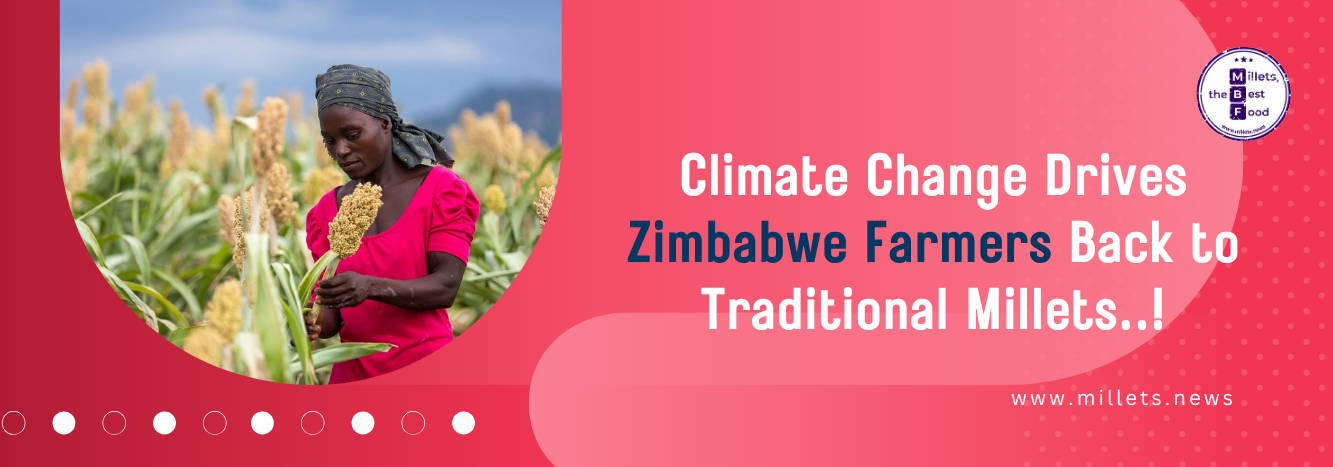
Farmers in Chimanimani, Zimbabwe, are increasingly moving away from maize and returning to traditional grains such as millets and sorghum to cope with changing climate conditions.
Unpredictable rainfall, declining soil quality, and the rising cost of farm inputs have made maize cultivation less dependable. As a result, smallholder farmers are choosing crops that are more resilient and better suited to dry and challenging environments. Millets and sorghum, once considered less important, are now gaining attention for their ability to withstand drought and poor soils.
Many farmers are also adopting natural and sustainable farming methods. By using compost, organic manure, and water-saving techniques like contour farming, they are improving soil health and conserving moisture without depending on costly chemicals.
Growing a variety of crops has helped farmers reduce risk. Even if one crop fails due to poor weather, others can still provide food and income, improving overall stability and food security.
Community training and farmer-to-farmer learning are playing a key role in spreading these practices. Seeing successful results has encouraged more farmers to follow similar approaches.
At the national level, there is growing support for promoting small grains as a way to build climate resilience in agriculture. These crops require less water and are better adapted to harsh conditions compared to maize.
However, challenges such as limited market opportunities and a continued preference for maize remain barriers to wider adoption.
Despite this, the shift towards millets, sorghum, and sustainable farming practices is helping farmers strengthen their livelihoods and better prepare for an uncertain climate.
© 2023 - 2026 Millets News. All rights reserved.

