 Millets National Media Portal
Millets National Media Portal
Millets National Media Portal
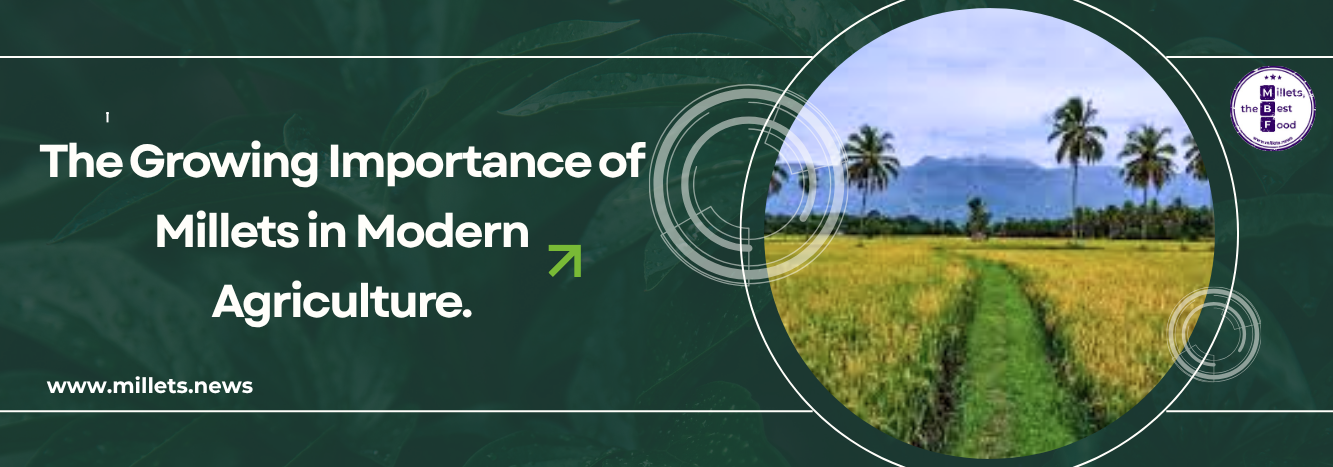
Millets have been grown by farmers for centuries, especially in regions with dry climates and limited rainfall. In recent years, these traditional grains have gained renewed importance as climate change and water shortages continue to affect agriculture. Millets are hardy crops that can grow in difficult conditions, making them a reliable choice for many farmers. Their ability to thrive with minimal resources makes them an important crop for sustainable farming and rural livelihoods.
One of the biggest advantages of millets is that they require less water compared to many other staple crops such as rice or wheat. This makes them ideal for rain-fed agriculture and drought-prone areas. Millets can also grow in poor or less fertile soils where other crops may struggle. Farmers do not need to spend heavily on irrigation, fertilisers or pesticides, which helps reduce the overall cost of cultivation. Because the investment is lower, farmers face less financial risk even if weather conditions are uncertain.
Another important benefit is the short growing period of many millet varieties. Most millets mature within three to four months, allowing farmers to harvest quickly and even grow them between other crop cycles. At the same time, the demand for millets is increasing as more people recognise their nutritional value and health benefits. Government initiatives and awareness campaigns are also encouraging millet consumption. As a result, millets offer farmers both economic opportunities and a sustainable farming option, helping them improve income while protecting natural resources.
© 2023 - 2026 Millets News. All rights reserved.

